How to Avoid Waste in the Restaurant Industry
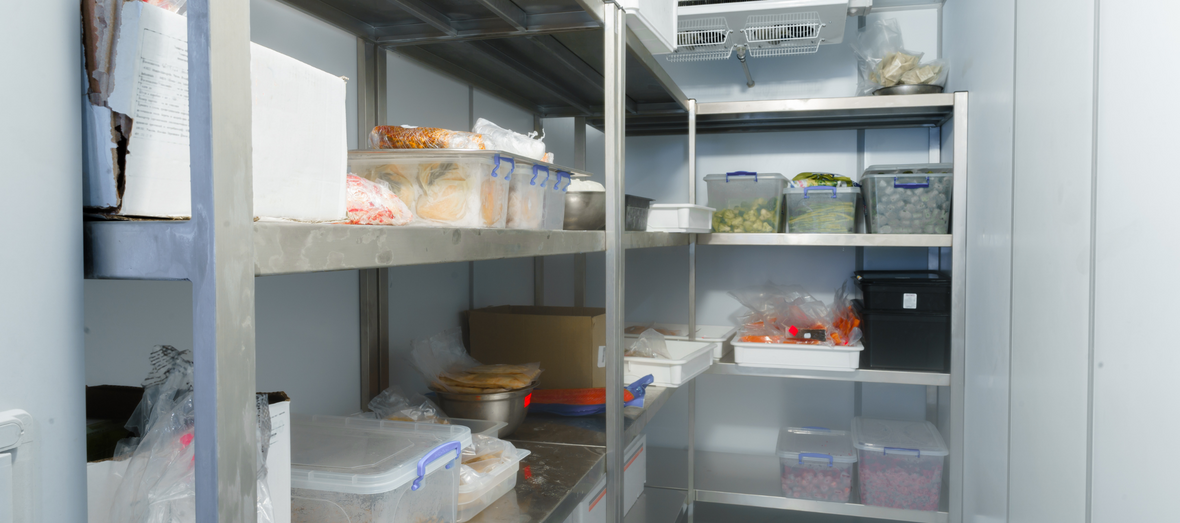
Facing current environmental challenges, reducing food waste in your establishment is more than just good practice, it’s a necessity. Some restaurateurs throw away nearly a quarter of their inventory each year, representing not only a significant financial loss but also a considerable ecological impact.
🌱 Adopting anti-waste policies helps you better manage costs, optimize resources, and show your customers that your restaurant is committed to responsible practices.
Limit losses through better inventory management
Food waste often starts at the inventory level. Several methods can help you better control your stock:
- Adopt the FIFO system (First In, First Out): While product rotation is practiced in most restaurants, it’s not always properly applied by teams. Make this easier by creating dedicated sections for products that need to be used quickly and by offering promotions on these items.
- Use digital tools: Inventory management software and reservation systems allow you to track demand and best-selling products, making purchasing planning easier.
- Optimize your menu: Focus on long-lasting ingredients and intelligently reuse perishable ones across multiple dishes. Narrowing your menu reduces the amount of ingredients to store, and therefore the waste.
- Listen to your customers: Adapt your dishes to your clientele’s preferences. Serving unwanted sides may seem trivial, but avoiding this waste helps you meet demand more accurately and build customer loyalty.
- Redistribute surplus: Offer customers the option to take leftovers home or donate unsold, unprepared stock to community organizations.
🫶🏻 You can also draw inspiration from innovative solutions like Too Good To Go, which allows you to sell unsold products at a discounted price before they are thrown away. Initiatives like this reduce waste, add value to your products, and raise customer awareness about responsible consumption.
Optimize your reservation system
No-shows are another major source of waste. Too much food is prepared for fewer guests than expected. Here are some solutions:
- Require a deposit at booking: If your restaurant is popular, this can significantly reduce no-shows.
.png?locale=fr)
Photo credit: Canva
- Analyze your reservation data: Online systems help identify customers likely to cancel and prioritize those truly motivated to attend.
- Implement a waitlist: This allows you to fill last-minute cancellations and optimize table occupancy.
💡 Reducing food waste isn’t just a responsible act—it’s also a way to strengthen your restaurant’s profitability and efficiency. By optimizing your inventory, menu, and reservations, you turn every ingredient into an opportunity while showing your customers that your establishment cares about the environment. Waste no longer has a place in your kitchen: make smart resource management a competitive advantage.